Check Engine Light On? 9 Common Causes You Need to Know
Check Engine Light On? 9 Common Causes You Need to Know
Your vehicle's check engine light is like a silent alarm, signaling potential issues under the hood. But deciphering its message can be daunting. We'll thoroughly explain the top nine common causes behind that alarming glow, empowering you to understand and address the underlying problems efficiently.
Is The Check Engine Light a Sign of Disaster
Contrary to popular belief, it doesn't always indicate a catastrophic failure. Instead, it serves as an early warning system, highlighting deviations from normal engine operation.
1. Faulty Oxygen Sensor
A malfunctioning oxygen sensor can disrupt the air-fuel mixture, reducing fuel efficiency and increasing emissions. Modern vehicles are equipped with one or more oxygen sensors, which monitor the oxygen levels in the exhaust gasses. When the sensor detects a lean or rich mixture, it triggers the check engine light to alert you of potential issues.
Without proper oxygen sensors, your vehicle may experience decreased fuel economy, rough idling, and increased emissions. Ignoring this issue can further damage the catalytic converter and other engine components, resulting in costly repairs down the line.
2. Loose or Damaged Gas Cap
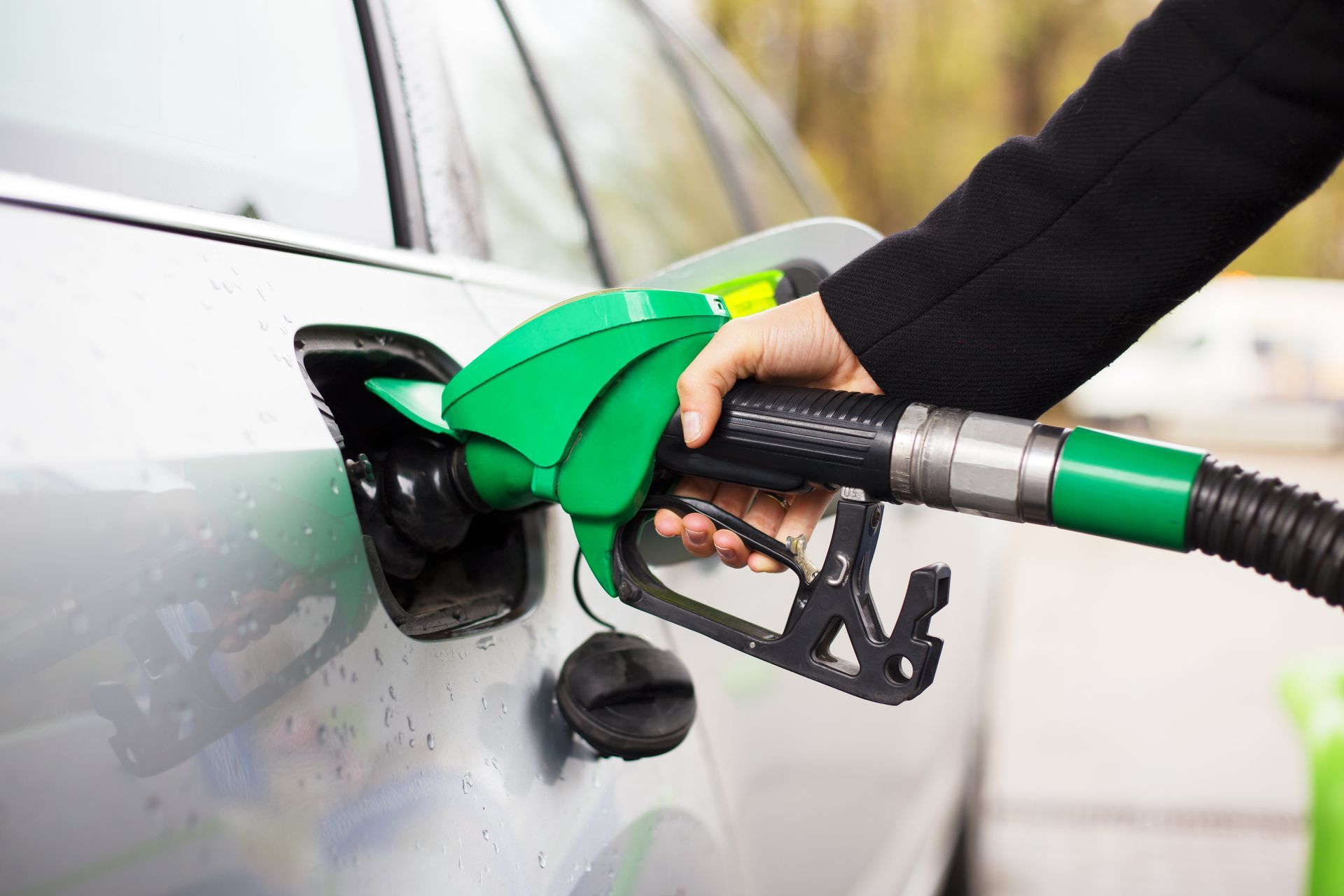
A loose or damaged gas cap may seem minor but can significantly affect your vehicle's emissions system. The gas cap seals the fuel tank, preventing fuel vapors from escaping into the atmosphere. When the gas cap is loose or damaged, it can cause an evaporative emissions system leak, triggering the check engine light.
Fortunately, this is one of the easiest issues to address. Simply tightening or replacing the gas cap can often resolve the problem and turn off the check engine light. However, if the light persists after addressing the gas cap, a professional must inspect the vehicle to rule out other potential causes.
3. Catalytic Converter Issues
The catalytic converter is responsible for converting harmful pollutants into less harmful emissions. Over time, the catalytic converter can deteriorate due to exposure to high temperatures and contaminants in the exhaust gasses. Common issues include catalyst poisoning, thermal degradation, and physical damage.
When the catalytic converter fails or becomes clogged, it can cause various symptoms, including decreased engine performance, increased emissions, and a noticeable sulfur smell from the exhaust. A failing catalytic converter can trigger the check engine light, indicating a problem that requires immediate attention.
4. Faulty Mass Airflow Sensor
The mass airflow (MAF) sensor measures the amount of air entering the engine, allowing the engine control unit (ECU) to calculate the appropriate fuel injection volume. A faulty MAF sensor can disrupt this process, leading to rough idling, decreased engine performance, and increased emissions.
Common issues with the MAF sensor include dirt or debris buildup on the sensor element, damaged wiring, or a faulty electrical connection. When the MAF sensor malfunctions, it can cause the ECU to incorrectly adjust the air-fuel mixture, resulting in a variety of drivability issues.
5. Bad Spark Plugs or Ignition Coils
Spark plugs and ignition coils ignite the air-fuel mixture in the engine's cylinders. Worn-out spark plugs or faulty ignition coils can cause misfires, affecting engine performance and fuel efficiency.
Common symptoms of bad spark plugs or ignition coils include rough idling, decreased engine power, and an illuminated check engine light. Ignoring these issues can lead to further damage to the engine, including damage to the catalytic converter.
6. Issues with the Exhaust Gas Recirculation (EGR) Valve
The exhaust gas recirculation (EGR) valve recirculates a portion of the exhaust gasses back into the intake manifold, reducing nitrogen oxide emissions. Over time, the EGR valve can become clogged with carbon deposits, leading to reduced engine performance and increased emissions.
Common symptoms of a faulty EGR valve include rough idling, decreased engine power, and an illuminated check engine light. Ignoring these issues can further damage the engine and emissions system.
7. Vacuum Leak
A vacuum leak occurs when air enters the engine through an unintended pathway, disrupting the air-to-fuel ratio and affecting engine performance. Common causes of vacuum leaks include deteriorated hoses, gaskets, or seals.
Symptoms of a vacuum leak include rough idling, decreased engine power, and an illuminated check engine light. Ignoring these issues can lead to further damage to the engine and emissions system.
8. Engine Coolant Temperature Sensor Malfunction
The engine coolant temperature sensor monitors the temperature of the engine coolant, allowing the engine control unit (ECU) to adjust fuel injection and ignition timing. A malfunctioning coolant temperature sensor can lead to inaccurate temperature readings, potentially causing engine overheating or overcooling.
Common symptoms of a faulty coolant temperature sensor include erratic temperature readings, rough idling, and an illuminated check engine light. Ignoring these issues can lead to further damage to the engine, including overheating or internal damage.
9. Cylinder Compression Issues
Cylinder compression refers to the pressure the piston generates during the compression stroke. Low cylinder compression can result from worn piston rings, damaged valves, or a blown head gasket, affecting engine performance and fuel efficiency.
Common symptoms of low cylinder compression include rough idling, decreased engine power, and an illuminated check engine light. Ignoring these issues can further damage the engine and emissions system.
Ready to tackle your check engine light concerns? Trust Vegas Auto Repair & Service to diagnose and resolve any issues swiftly, ensuring your vehicle runs smoothly. Schedule your appointment today and experience expert care for your car.